


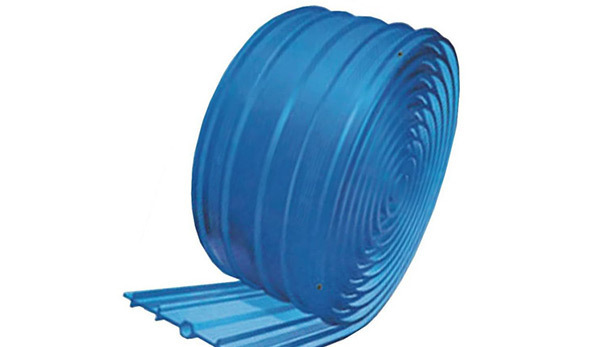
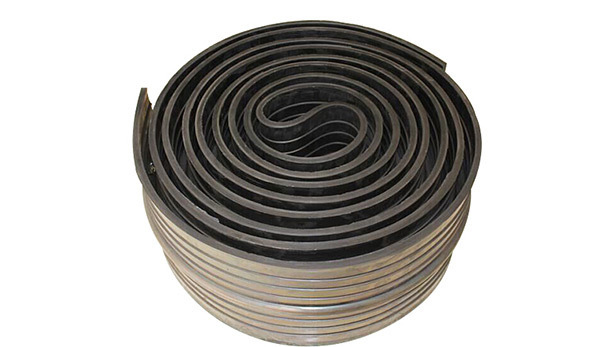




Georgia Product type waterstop strip
Category:
Product Description
Product Introduction
Product type water absorbing and expanding rubber is widely used in deformation joints, construction joints, waterproof sealing of pipelines in civil and architectural structures, joints of reinforced concrete in shield tunneling methods, waterproof sealing gaskets, interface materials for pipe jacking projects, interface sealing of underground pipelines in open cut box culverts, waterproof sealing of water conservancy, hydropower, waterway civil engineering, etc.
Scope and conditions of application
Before pouring concrete, the expansion rubber should be kept away from rain and contact with objects with moisture. In order to ensure reliable contact with the concrete before construction, the construction surface should be kept dry, clean, and flat.
Performance advantages
When encountering water, it expands and stops with water. Used for defecation and maintaining a state of water absorption and expansion in humans. Not shrinking, not losing water, durable and reliable, and has the characteristics of no competition, no corrosiveness, no pollution, convenient and fast construction, reliable quality, labor-saving, time-saving, and low cost.
Product characteristics
• Reliable waterproof performance:
Once in contact with the invading water phase, its volume rapidly expands to achieve complete waterproofing.
• Safety of construction:
Due to its elasticity and resilience, it is easy to adapt to the deformation of structures.
• Applicability to wide surfaces:
Can be used in various climates and component conditions.
• Excellent environmental friendliness:
Chemical resistance, excellent durability, no harmful substances, and no environmental pollution
Main technical performance indicators
| No. | Test Item | Technical Index | |||||
| PZ-150 | PZ-250 | PZ-400 | PZ-600 | ||||
| 1 | Hardness (Shore A) | 42±7 | 42±7 | 45±7 | 48±7 | - | |
| 2 | Tensile Strength (MPa) | ≥ | 3.5 | 3 | - | - | |
| 3 | Elongation at Break (%) | ≥ | 450 | 600 | - | - | |
| 4 | Volume Expansion Rate (%) | ≥ | 150 | 250 | 400 | 360 | |
| 5 | Tensile Strength (MPa) | Tensile strength (Mpa) | ≥ | 3 | 2 | ||
| Tensile elongation at break (%) | 650 | 250 | |||||
| Volume expansion rate (%) | ≥ | 150 | 250 | 300 | 600 | ||
| 7 | Low-Temperature Bending (-20°C×h) | No cracks | |||||



Power by 300.cn | Label | List of cities